Baby Deer, Fawn: Graphics for Crafts & Sales
As a digital product creator who has spent years refining listings on Etsy and managing inventory for print-on-demand stores, I approach every new graphic design asset with a critical eye. It is not enough for an illustration to be cute; it must be versatile, commercially viable, and technically sound. Recently, I evaluated the Baby Deer, Fawn collection to determine its potential for my upcoming seasonal shop update. This review breaks down how this specific set of illustrations performs in real-world selling scenarios, from digital downloads to physical merchandise.
First Impressions and Niche Appeal
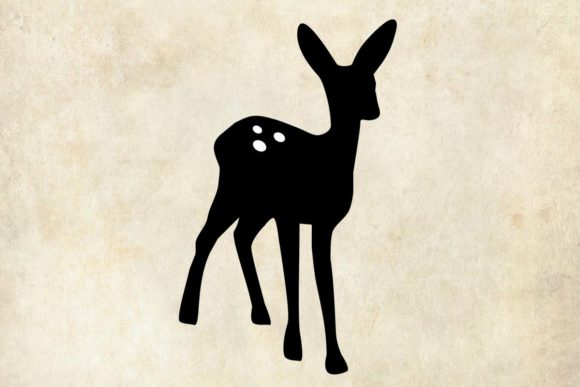
The immediate visual impact of the Baby Deer, Fawn assets is one of gentle warmth. The style strikes a balance between whimsical and refined, avoiding the overly cartoonish look that can sometimes limit commercial appeal. Instead, these illustrations feel suitable for premium Crafts markets. The mood is inherently calming, making it an excellent fit for nursery-themed products, baby shower invitations, and soft aesthetic branding.
For sellers targeting the parenting or early education niche, this illustration set offers strong audience alignment. It appeals to buyers looking for organic, nature-inspired designs rather than loud, high-contrast graphics. When I placed these images against neutral backgrounds, they maintained their integrity without needing heavy editing. This suggests that the clipart is well-suited for minimalist brand identity projects where visual hierarchy is key.
Versatility in Product Creation
The true test of any design asset is its adaptability across different product types. I tested the Baby Deer, Fawn files across several categories to see where they added the most value.
- Printable Wall Art: The resolution held up well when scaled for 8x10 and 11x14 prints. The delicate lines of the fawn’s features remained crisp, which is crucial for high-quality printable design outputs.
- Sticker Design: For Cricut project enthusiasts, the clarity of the edges is vital. These images work beautifully for die-cut stickers, provided the background is properly removed. They are ideal for planner stickers and reward charts for children.
- Apparel and Merchandise: I simulated a t-shirt design using the central fawn image. On light-colored fabrics, the detail was charming. However, for dark garments, I found that adding a white contour or backing was necessary to maintain visibility, a standard practice in sublimation design workflows.
- Paper Goods: The assets shine in Christmas cards and birth announcements. The gentle aesthetic pairs exceptionally well with watercolor textures, making them perfect for scrapbooking kits and stationery lines.
Furthermore, these graphics are not limited to static prints. They serve as excellent elements for Canva template creators. By isolating the fawn elements, you can build customizable invitation templates where users can easily drag and drop the deer into their own layouts. This increases the perceived value of your digital product by offering flexibility.
Enhancing Product Presentation
In the crowded creative marketplace, your thumbnail is your primary sales tool. The Baby Deer, Fawn illustrations have high "click-through" potential because they evoke an emotional response. When creating product mockup images, I found that placing the fawn on textured paper or alongside eucalyptus leaves created a cohesive, professional look. This helps establish trust with potential buyers who associate high-quality previews with high-quality files.
Using these assets in social media graphics also strengthens small business branding. Consistent use of the same character style across Instagram posts, Pinterest pins, and email headers creates a recognizable visual language. For Etsy product listings, bundling these deer with complementary elements like leaves, stars, or frames can increase the average order value. Customers often prefer buying a complete design bundle rather than single images, as it saves them time in curating their own collections.
Strategic Placement and Cautionary Notes
While the Baby Deer, Fawn set is robust, it is not a one-size-fits-all solution. Understanding where not to use these graphics is just as important as knowing where they excel.
These illustrations are best used in layouts with ample white space. They struggle in crowded thumbnails where fine details get lost. If you are designing for small formats, such as tiny favor tags or small magnet prints, ensure you simplify the composition. Remove surrounding decorative elements and focus solely on the fawn’s silhouette to maintain clarity.
Additionally, be cautious with low-contrast backgrounds. Since the color palette is soft and earthy, placing the deer on beige or light gray backgrounds without a border can cause the image to blend in. Always test your PNG design on both pure white and deep charcoal backgrounds to check for visibility. For SVG design users, inspect the node count. Complex gradients in raster images do not translate to vector cuts, so ensure you are using the appropriate file type for Cricut or Silhouette machines. If the package includes SVGs, verify that the cut lines are clean and do not have unnecessary anchor points that could cause machine errors.
Practical Seller Notes for Implementation
Before publishing any listing featuring Baby Deer, Fawn, I recommend a rigorous testing phase. First, print a sample at actual size. Colors on screen often differ from ink on paper, especially with subtle pastels. Adjust your CMYK profiles if necessary to ensure the fawn’s tones remain warm and inviting.
Typography pairing is another critical consideration. These graphics pair well with:
- Script fonts: For a romantic, handmade feel on wedding or baby shower invites.
- Sans serif fonts: For modern, clean looks on nursery art and educational materials.
- Handwritten fonts: To enhance the playful, kids craft appeal for school projects and party supplies.
Avoid overly ornate display fonts that might compete with the intricate details of the deer’s antlers or fur texture. The goal is to let the illustration breathe.
Finally, always double-check the licensing terms. Ensure you have a commercial license that covers your intended use cases, whether you are selling physical packaging design items or digital logo design components. While these assets are great for end-products, they typically cannot be resold as standalone clipart files. Clarify this in your product descriptions to avoid customer confusion and protect your shop’s reputation.
In conclusion, the Baby Deer, Fawn collection is a valuable addition to any digital seller’s toolkit. It offers the flexibility needed for diverse Graphics applications while maintaining the charm required for successful Crafts sales. By testing thoroughly and presenting the assets professionally, you can leverage this digital download to create a cohesive and profitable product line.